Skip to article Articles -
 AUG 2025
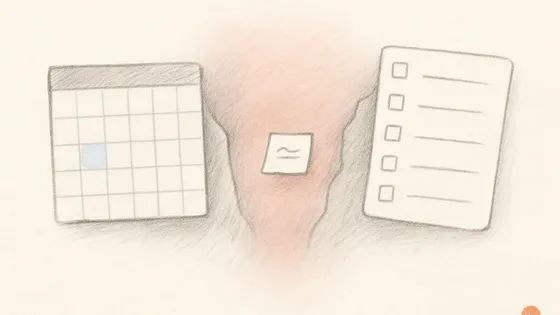
 Slate Is Not a Calendar. It Is Not a To-Do List Either
Most people already own a calendar and a to-do list, and I do not think another of either would help them much. -
 SEP 2025
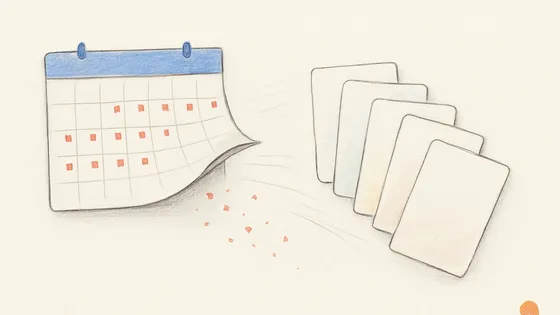
 Why Slate Doesn't Put Due Dates at the Core Like Other To-Do Tools
I have used plenty of task apps that treat every date like a deadline, and some of them are excellent. Todoist is great at capture and structured task management. Things is polished and calm in a way many products should envy. A calendar is still the right place for meetings, travel, appointments, and anything that becomes someone else's problem if you are late. -
 OCT 2025
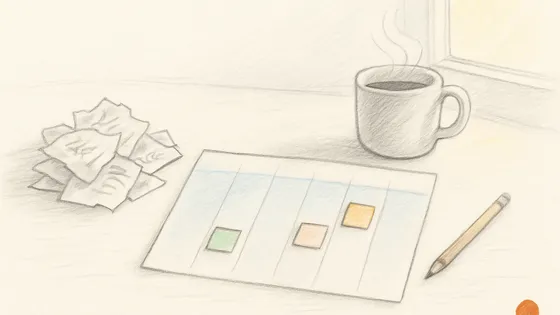
 How I Plan a Week That Is Already Lying to Me
Monday morning usually gives me two kinds of work. -
 NOV 2025
 (Re)Starting to Use a To-Do App Should Take Three Minutes
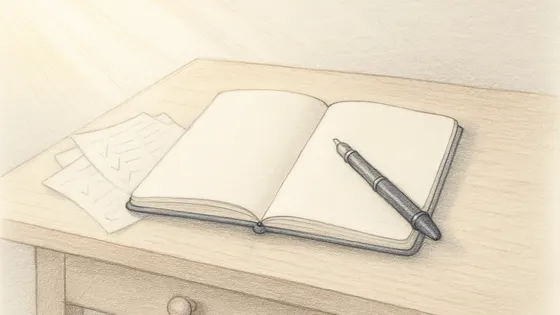
There is a particular kind of person who has tried six to-do apps in a year and ended up back in a notebook. I understand this person because I have been this person. -
 DEC 2025
 What To Do With Rotting Tasks
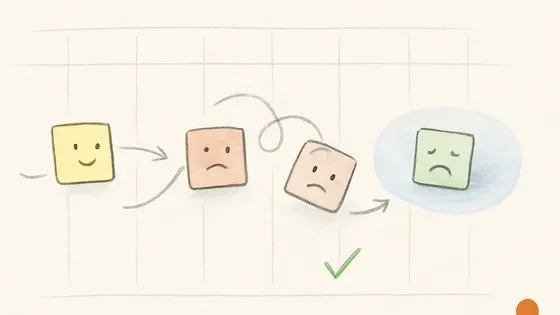
A task that rolls over once is normal. A task that rolls over five times is telling you something. -
 JAN 2026
 Why Voice-to-Task Beats Voice-to-Text
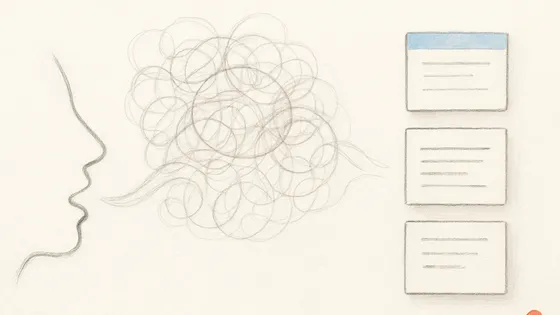
Typing wants a finished thought. The cursor blinks, the line waits for a title, and you start editing before you have worked out what you mean. Speaking puts up with mess: a voice note can start before the idea has a name, circle the point, contradict itself, remember the important bit halfway through, and keep going. I think that is why voice memos have outlived so many app cycles. They fit the moment when the brain wants to unload before it wants to organize. -
 FEB 2026
 The Case for a Keyboard-First To-Do App
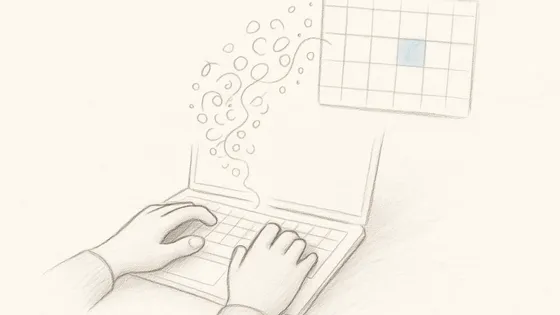
A click-only interface costs you milliseconds, which nobody notices, and interruptions, which I notice constantly. So do all the productivity-minded people who would rather live in a terminal or a spreadsheet than in a menu. -
 MAR 2026
 Why Slate's WhatsApp Capture Is Deliberately Limited
I could make Slate's WhatsApp integration a lot more powerful. Menus, suggestions, natural-language planning, summaries, reminders, maybe even a friendly little personality. It could grow into a second app living inside WhatsApp, commands branching into commands, until the capture channel is itself a product you have to operate. -
 APR 2026
 A To-Do App Should Feel Good Without Becoming a Game
Paper to-do lists never went away, and I think the crossing out is most of the reason. You feel the pen go through the words. They stay where they were, just handled. Most digital lists swapped that for a checkbox and a fade, so the task leaves the screen politely, the way a plate gets cleared from a table. -
 AUG 2026
 Due Dates Finally Fit Into the MindSlate
Most dates on tasks are guesses. The first post on this blog called them guesses wearing formal clothes, and Slate was built around that observation: software that cannot tell a hope from a promise punishes you for guessing wrong. It stamps a missed guess "overdue," a word that belongs to missed flights rather than ordinary weeks. So tasks in Slate roll over to tomorrow without making you feel bad about it. That belief is the MindSlate, the filter every feature has to pass. -
 SEP 2026
 New Feature: Shared Links Should Be a Window, Not a Door
People have shared their to-do lists by screenshot for years, and for the moment the picture is taken it works fine. You crop the top of the screen, send it, and the person on the other end knows roughly what your day holds. The screenshot just cannot keep up. An hour later it describes a day that has already moved on.